Projects
A strategic platform for Argentina's critical minerals.
ACM Projects’ diversified portfolio provides exposure to a range of critical minerals, energy-transition commodities and precious metals.
Portfolio at a Glance
- Multiple Argentine mining jurisdictions
- Critical and strategic minerals
- Precious-metals exposure
- Energy-transition commodities
- Diverse end-markets
- Significant exploration & development potential
FLUORITE PROJECT - ACM has signed a binding conditional agreement with Octava Minerals (ASX).
Indicated resources
Average CaF₂ grade
Peak CaF₂ grade
To deep-water port
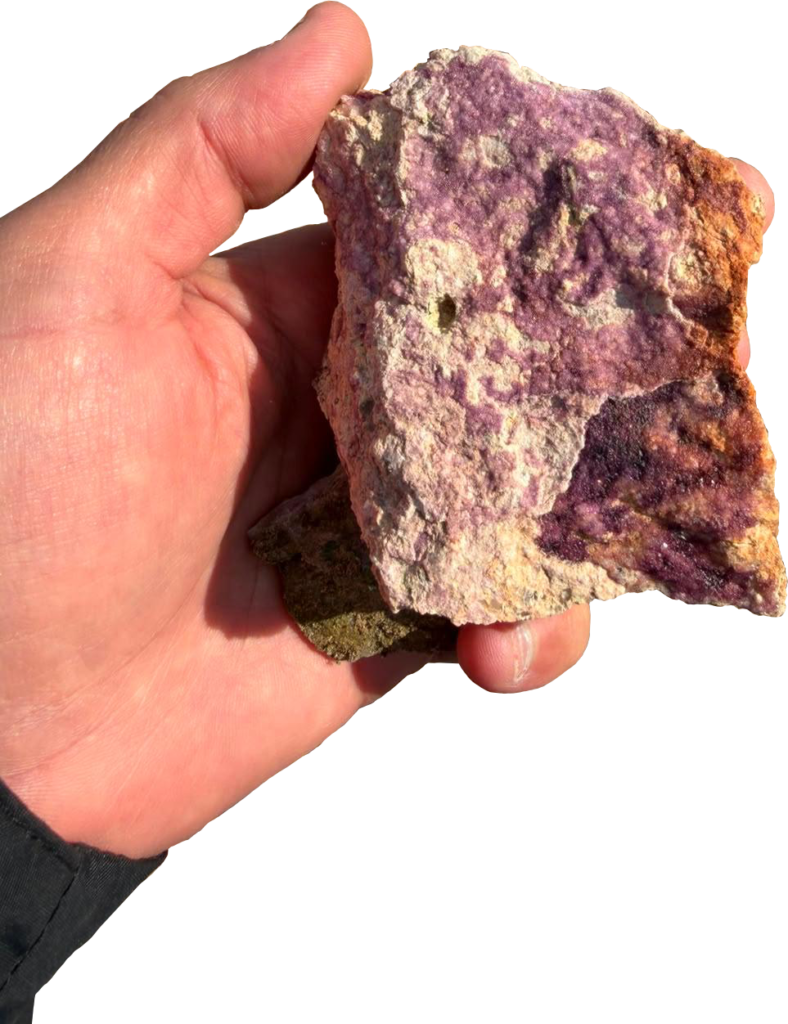
A near-term brownfield restart opportunity in Patagonia, Argentina, with more than one million tonnes of high-grade CaF₂ across seven contiguous deposits. The project benefits from a proven production history, established workings and infrastructure, together with close proximity to a deep-water mineral export port located approximately 47 km away. This combination provides a strong foundation for evaluating a potential return to production and future resource development.
Investment Highlights
- Exceptional grade: 45–50% average CaF₂ with peaks to 78%. The silica is easily separated, which keeps processing simple and low-cost.
- Port-proximate logistics: 47 km to the Punta Colorada deep-water mineral port, with 17 km of year-round road access via Route 305. This gives a structural freight advantage over inland peers.
- Brownfield readiness: Historical open-pit and underground workings to 120 m, on-site water and producer registration all shorten the path to production.
- Proven product suite: Acid (98.5%), ceramic (92%) and metallurgical (>85%) grades have previously been produced and sold.
- Clean, consolidated title: Seven tenures under a single owner, with no litigation, encumbrances, environmental liabilities or social conflicts.
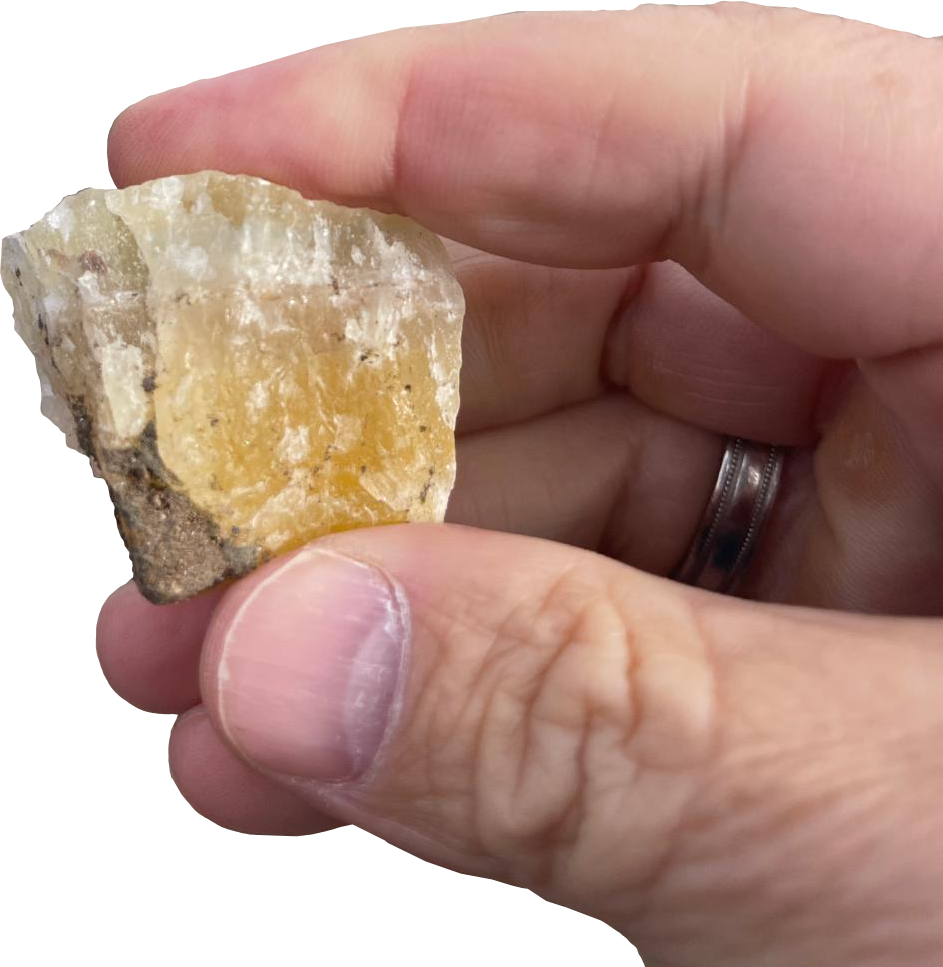
URANIUM PROJECT
Protected Block Area
Historical Resource Grade
Past U Concentrate Prod.
Samples Above Cut-Off
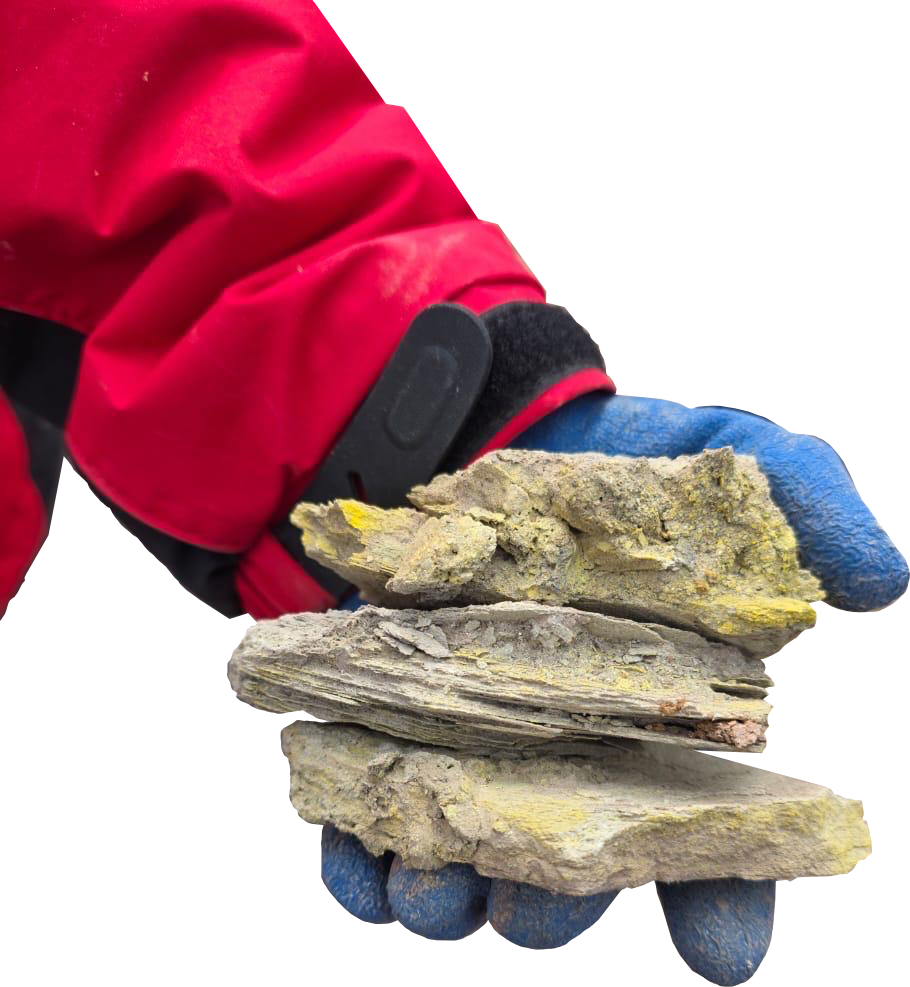
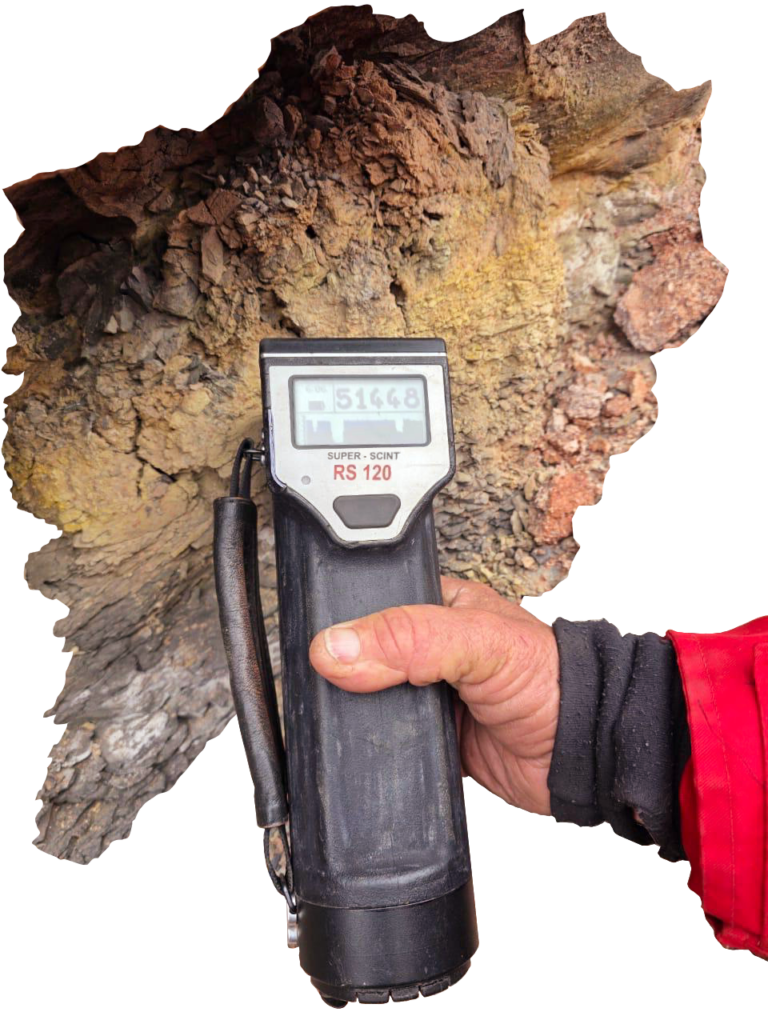
A brownfield uranium re-entry and exploration opportunity located near Patquía in La Rioja Province, Argentina, within the historically significant Los Colorados Uranium District. The project combines historical uranium workings and production, near-surface mineralisation and a substantially expanded exploration footprint covering more than 120 km².
The opportunity is supported by historical exploration and production data, while recent fieldwork has identified additional areas of interest across the broader Pucará properties. The combination of an established uranium district, shallow mineralisation and accessible infrastructure provides a platform for systematic resource definition and further exploration.
Investment Highlights
- Established uranium district: The project sits within the Los Colorados Uranium District, first identified by Argentina's National Atomic Energy Commission (CNEA) in 1974.
- Near-surface mineralisation: Shallow mineralisation and straightforward mining conditions support a potentially low-complexity development pathway.
- District-scale upside: The newly recognised Pucará properties cover more than 120 km² of intensely hydrothermally altered ground, beyond the historic workings.
- Modern exploration data: A comprehensive geochemical field programme completed in March 2026 builds on the historical work.
- Favourable logistics: The project has strong infrastructure access near Patquía.
GOLD & ANTIMONY PROJECT
Land Package
Historical Output
Concentrate Grade
Gold Vein Grades
Geochemical Anomaly
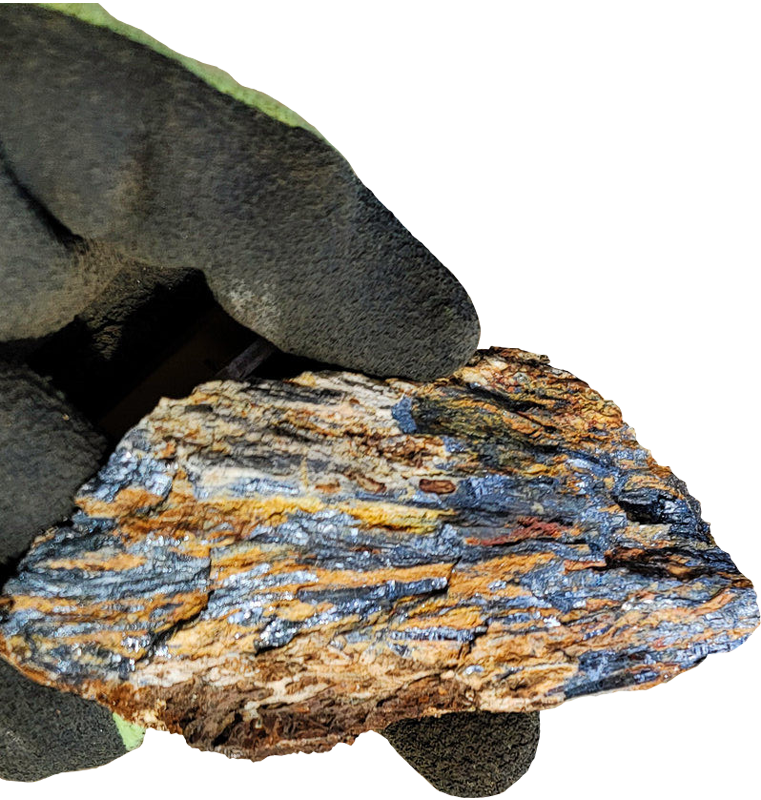
A high-grade brownfield antimony–gold restart opportunity in northwest Argentina, with a proven history of production and significant potential for further resource definition. Historical mining ceased at approximately 125 m due to groundwater inflow rather than depletion of the mineralised system, leaving an opportunity to evaluate a modern restart using contemporary mining, dewatering and processing techniques.
Investment Highlights
- Critical mineral exposure: The US and EU designate antimony a critical or strategic mineral. Supply is dominated by China and Russia, and Western buyers are seeking secure alternative sources.
- Proven production history: Historically Argentina's largest antimony producer, with over 800 t of 60% Sb concentrate produced and sold from the shallowest part of the system.
- Solvable restart barrier: Mining stopped because of flooding below 125 m, which modern high-capacity dewatering can address.
- Gold upside: Historic sampling returned up to 7 g/t Au on the main vein and up to 70 g/t Au in undrilled parallel veins.
- District-scale potential: A 3–4 km antimony dispersion halo (8–16 ppm) extends across the 978 ha concession, well beyond the 1940s mine footprint. The system has never been tested at scale.
- Strategic logistics: The project sits on the Corredor Bioceánico, 350 km from San Salvador de Jujuy, with direct access to Pacific export routes.
RARE EARTHS PROJECT
Mining & exploration concessions
0.13% TREO grade
TREO (vs. 840 ppm project avg)
Most advanced title category
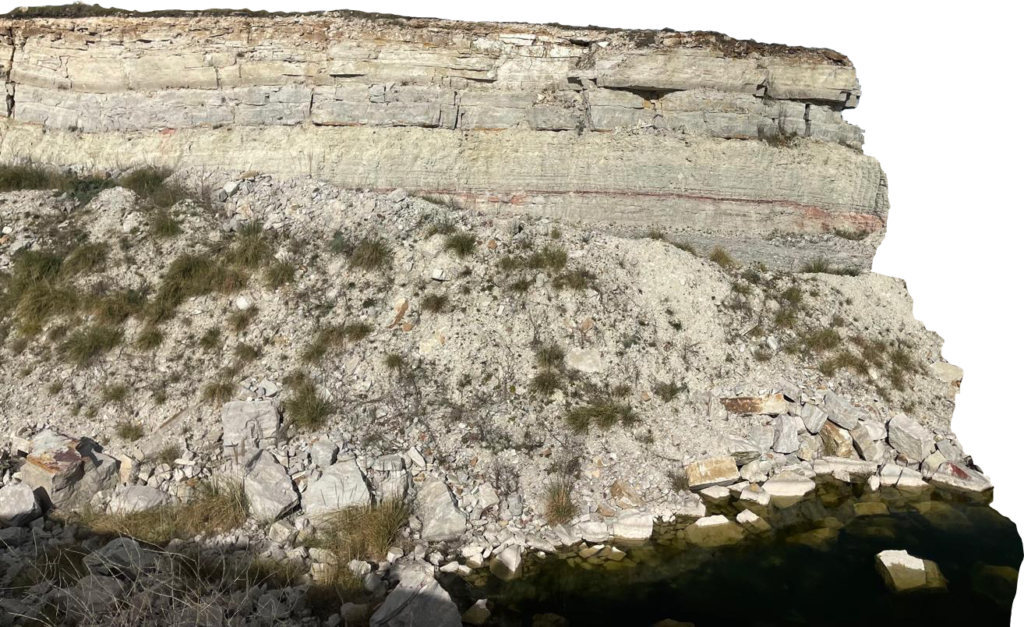
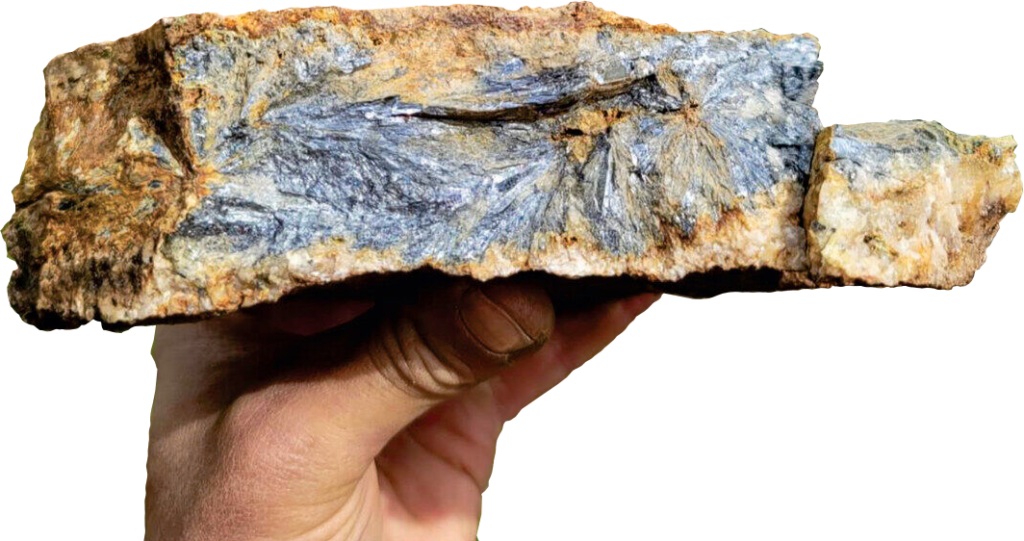
A scalable, near-surface clay-hosted rare earth project located in an established mining region, with a clear pathway toward low-complexity open-pit development. The project combines shallow mineralisation, a large prospective land package and existing regional infrastructure, supporting the potential for efficient and scalable development. With a focus on magnet REEs and a demonstrated processing route, the project offers both near-term development potential and significant exploration upside.
Investment Highlights
- Magnet REE focus: The project targets neodymium and praseodymium, critical inputs for EV motors and wind turbines.
- Shallow, low-cost mining: Mineralisation sits no deeper than 30 m, with a minimal strip ratio and simple open-pit geometry.
- Large-scale land package: 44,352 ha across an established mining region, with strong exploration upside.
- Validated processing route: Acid baking has achieved recoveries above 60%. Hydrocyclone separation to <20 µm was confirmed at industrial scale by UIT GmbH in April 2024.
- Existing infrastructure: Road access is in place, and the established regional brick and clay industry lowers capital requirements.
- Dual revenue stream: REE concentrate is the primary product, and the REE-depleted clay can be sold to the local brick industry as a by-product.
TUNGSTEN PROJECT
EXPLORATION TARGET*
PEAK WO₃ HEAD GRADE
DISTRICT LAND PACKAGE
UNDERGROUND GALLERIES
TO DEEP-WATER PORT
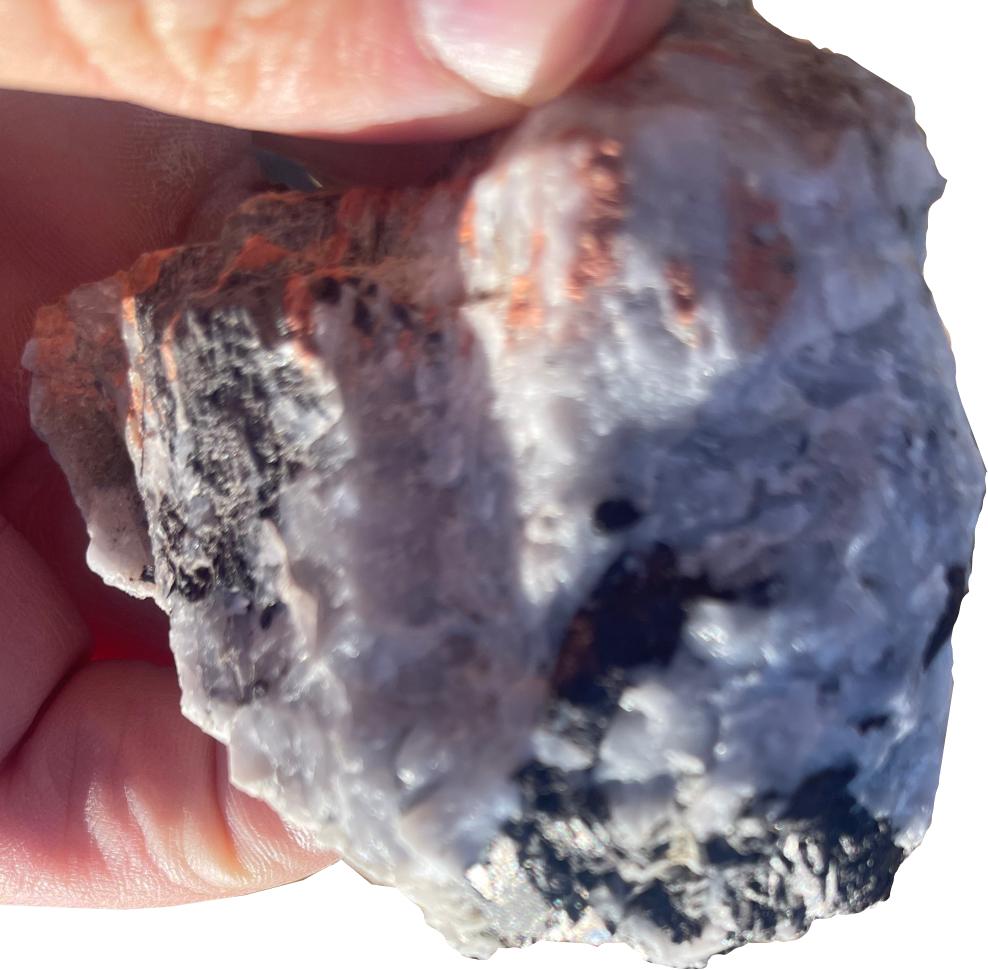
The project represents a brownfield tungsten development and potential restart opportunity in Río Negro Province, Argentina, combining existing underground workings, historically defined high-grade tungsten-bearing quartz veins, and a substantial surrounding exploration package with significant potential for further resource expansion.
The project benefits from existing mining infrastructure and historical underground development, providing a foundation from which to evaluate the potential reactivation of the operation and undertake further exploration.
Investment Highlights
- Brownfield access in place: The project has three concessions (Gral. San Martín, Pachamama and Alicia I), two shafts, developed levels at −30 m and −60 m, and 1,652 m of existing underground development.
- High-grade veins: Quartz–hübnerite veins are up to 3.0 m thick, with historical vein grades of 1.9% WO₃ and head grades up to 3.1% WO₃ at Alicia I.
- Restart-ready: Mineralisation delineated in 1980–81 remains unmined, dewatering of the workings has begun, and environmental reports are approved.
- Exploration upside: An estimated ~1.0 Mt exploration target and 6,068 ha of largely untested ground.
- Infrastructure edge: 25 km of paved road to Valcheta, nearby water and power lines, and 125 km to the deep-water port of San Antonio Oeste.